

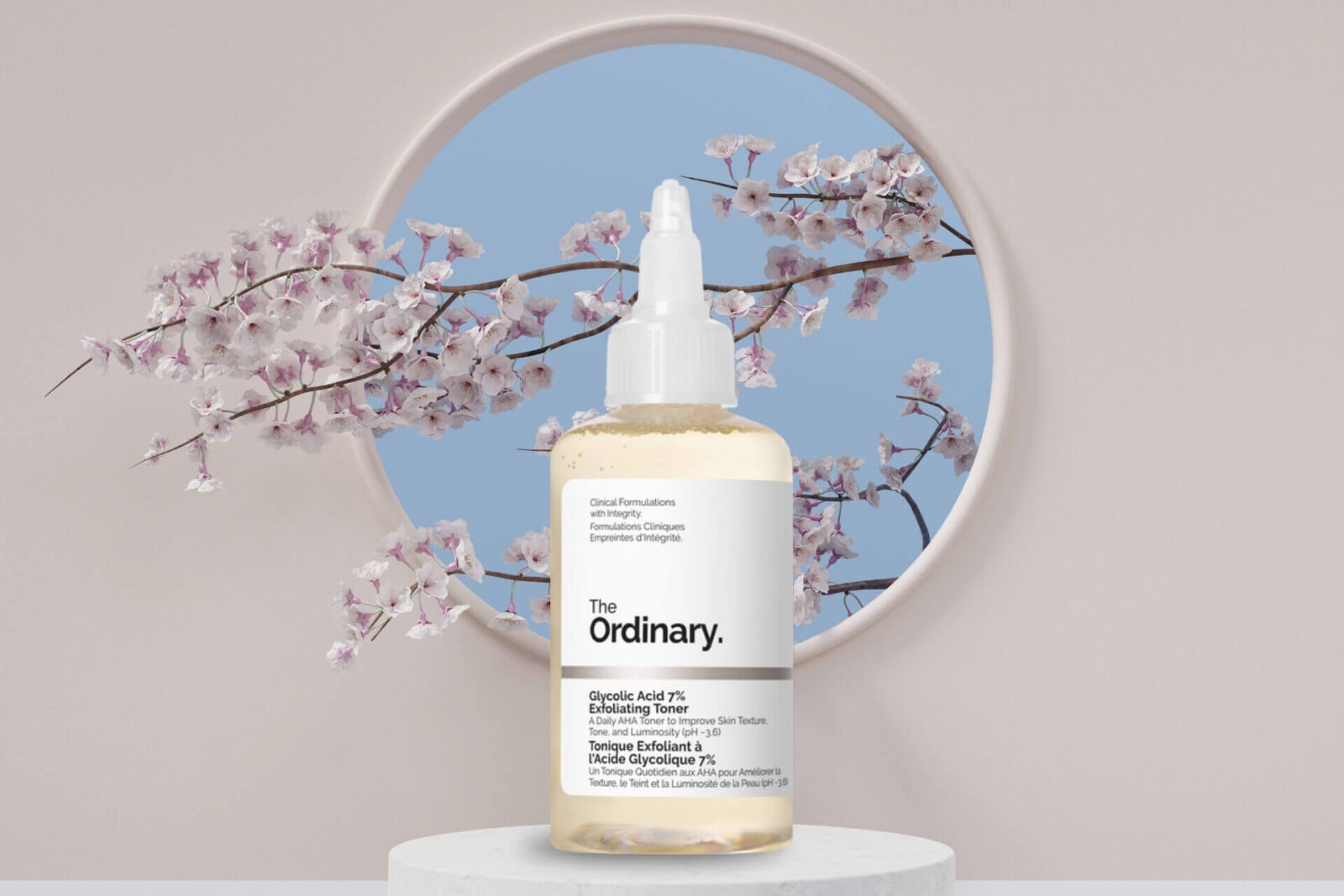
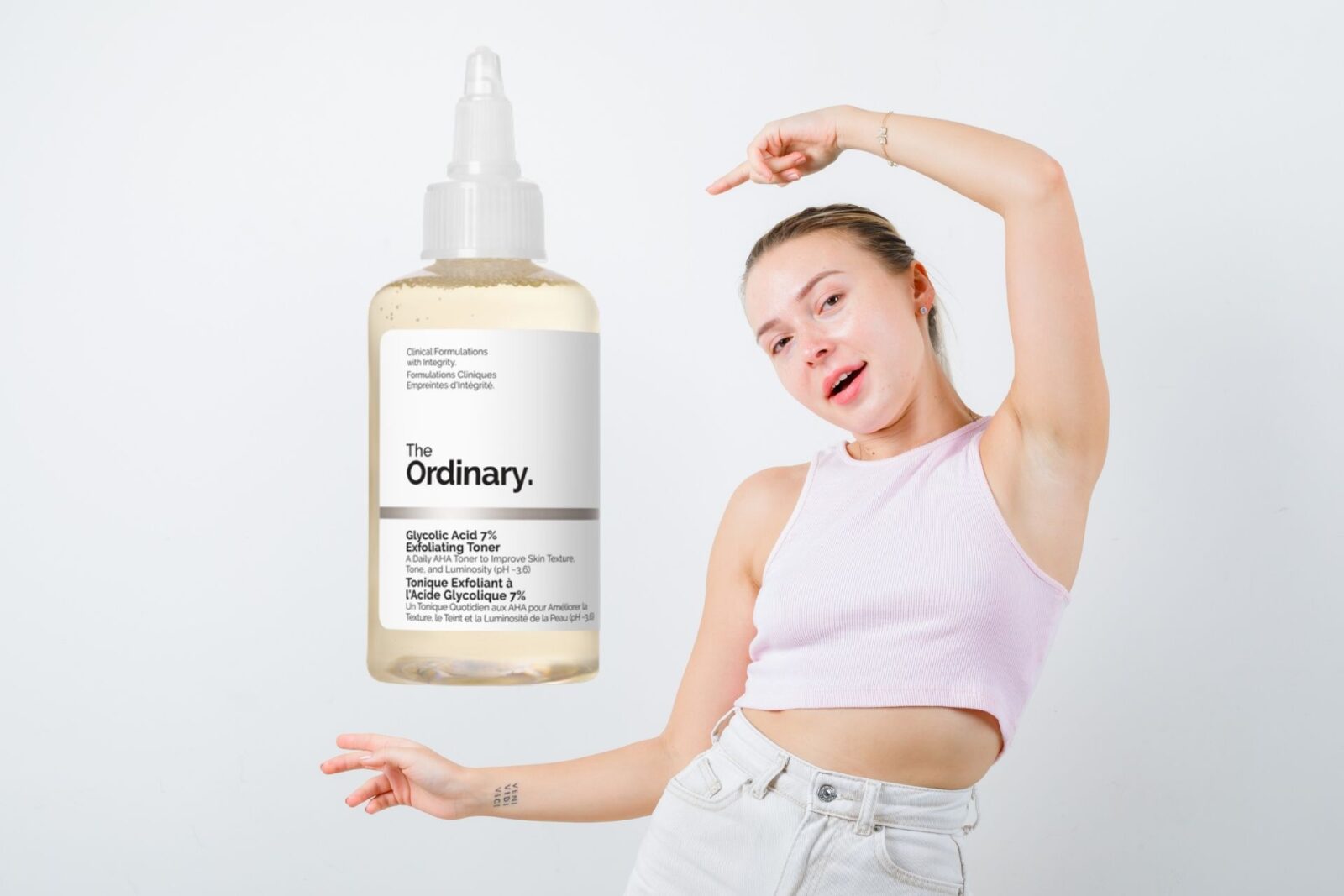
Are you curious about incorporating The Ordinary Glycolic Acid into your daily skincare routine? You’re not alone.
It promises to make your skin look smoother and brighter, so it’s normal to see the results. But before you start using it, there’s one important question: Is it safe to use every day without hurting your skin? We’ll explain what happens when you use it daily, so you can choose wisely.
You’ll learn about the good sides, possible side effects, and simple tips to keep your skin healthy and glowing. Keep reading to find out how to get the most out of this popular product while keeping your skin healthy and safe.
Disclosure: This post may contain affiliate links. If you purchase through these links, we may earn a small commission at no extra cost to you. Learn more in our affiliate disclosure.
Daily Use Of Glycolic Acid
Glycolic acid, a popular ingredient in skincare, is known for its ability to remove dull, dead skin layers. Many people ask whether it’s okay to use The Ordinary Glycolic Acid every day. It’s essential to understand what it does and any potential side effects before using it daily.
What Is Glycolic Acid?
Glycolic acid is a type of AHA (alpha-hydroxy acid) that’s made from sugarcane. It helps remove dead skin cells, making your skin look fresh and smooth. It can reduce fine lines, acne scars, and hyperpigmentation. Its tiny molecules help it absorb into the skin quickly and work better.
Benefits Of Daily Use
- Consistent exfoliation helps keep your skin looking bright.
- Improves skin texture over time.
- It keeps pores clean and helps prevent acne.
Potential Risks Of Daily Use
Using glycolic acid daily can lead to over-exfoliation. This may cause:
- Skin irritation and redness.
- Increased sensitivity to sunlight.
- Dryness and peeling of the skin.
How To Introduce The Ordinary Glycolic Acid To Your Routine
- Start with a low concentration to test your skin’s reaction.
- Use it every other day, gradually increasing frequency.
- Always apply sunscreen during the day to protect your skin.
Signs You Need To Adjust Your Usage
If you experience excessive dryness, peeling, or irritation, reduce usage. Consider consulting a dermatologist if issues persist.
Alternatives For Sensitive Skin
| Product | Benefits |
| Lactic Acid | Milder exfoliant, suitable for sensitive skin. |
| Mandelic Acid | The larger molecule penetrates slowly and is gentle on the skin. |
Benefits Of Glycolic Acid
Glycolic Acid is a famous skincare ingredient, especially in products from The Ordinary. Many people ask if it’s safe to use every day. Understanding what glycolic acid does can help you decide how often to use it. This powerful acid can transform your skin with its exfoliating, brightening, and acne-controlling properties. Learning how it works can lead to healthier and more radiant skin.
Exfoliation
Glycolic Acid is a top choice for exfoliation. It’s an alpha hydroxy acid (AHA) that penetrates the skin deeply. It breaks apart dead skin cells and cleans the skin’s surface. This helps show the fresh skin underneath. Using Glycolic Acid regularly can keep your skin looking vibrant. It helps your skin make new cells, which makes it look smoother.

Benefits of exfoliation with Glycolic Acid:
- Removes dead skin cells
- Removes dirt from pores.
- Smoothes skin texture
| Benefit | Description |
| Cell Turnover | Helps new skin cells grow. |
| Clog Prevention | Helps avoid pore blockages |
Skin Brightening
Skin brightening is another advantage of Glycolic Acid. It helps make your skin tone look more even. By lightening dark spots, it helps your skin look more balanced. Glycolic Acid works by fading pigmentation over time. With consistent use, it can enhance your skin’s glow. Brightening your skin can boost your confidence and make you feel more youthful.

Key benefits include:
- Reduces hyperpigmentation
- Improves skin radiance
- Lightens age spots
For optimal brightening:
- Apply at night for the best results
- Use sunscreen during the day
Acne Control
Glycolic Acid is also known for its acne-controlling properties. It can help reduce breakouts. By clearing the pores, it prevents the formation of acne.

Benefits for acne control:
- Minimizes pimples
- Reduces inflammation
- Prevents future breakouts
Using Glycolic Acid can decrease the frequency and severity of acne. It targets underlying causes like excess oil and dead skin buildup.
| Action | Effect |
| Oil Reduction | Less greasy skin |
| Inflammation Control | Soothe irritated skin |
For those dealing with acne, glycolic acid can be a helpful part of their skincare routine.
Skin Type Considerations
When considering the use of Ordinary Glycolic Acid every day, understanding your skin type is crucial. This strong exfoliant can be very effective, but it might not be safe to use every day for everyone. Different skin types react differently to glycolic acid, and using it correctly can help you avoid issues like irritation or dryness. Let’s take a closer look at how this product works on different skin types: oily, dry, and sensitive.
Oily Skin
Oily skin often handles glycolic acid better than other skin types. This is because glycolic acid helps in reducing excess oil and unclogging pores. If you have oily skin, it can be a helpful part of your skincare routine. Keep these points in mind:
- Oil Control: Glycolic acid can help regulate oil production, making your skin less greasy.
- Exfoliation: It removes dead skin cells, preventing them from clogging pores.
- Acne Reduction: Regular use may reduce acne and blackheads.
Use it cautiously, especially if you have active acne. Using it too often can cause dryness or irritation. Start with a few times a week and increase gradually.
Here’s a simple table for guidance:
| Frequency | Recommended Use |
| Initial | 1-2 times a week |
| After 4 weeks | 3-4 times a week |
Dry Skin
Dry skin requires extra care when using glycolic acid. This skin type can become even drier with the frequent use of exfoliants. Consider the following:
- Moisturize: Always apply a rich moisturizer after using glycolic acid.
- Limit Use: Using it daily may lead to excessive dryness.
- Hydration: Ensure your skin stays hydrated to prevent flakiness.
For those with dry skin, it’s advisable to start with once a week and observe how your skin reacts. Gradually increase usage if your skin tolerates it well.
Here’s a recommended usage plan:
- Week 1-2: Use once a week.
- Week 3-4: Increase to twice a week.
Sensitive Skin
Sensitive skin can be tricky with glycolic acid. This skin type is prone to irritation, redness, and discomfort. If you have sensitive skin:
- Patch Test: Always perform a patch test before full application.
- Low Concentration: Use products with lower glycolic acid concentration.
- Observe Reaction: Monitor your skin’s reaction after each use.
Start with using glycolic acid once every two weeks. Increase frequency only if your skin shows no signs of irritation or redness.
Here’s a cautious approach:
- Week 1: Patch test.
- Week 2: Use once.
- Week 3-4: Monitor and adjust the frequency.
Remember, each skin is unique. Adjust usage according to your skin’s needs and reactions.
Potential Side Effects
Using The Ordinary Glycolic Acid daily can be tempting for those seeking radiant skin. Yet, it’s crucial to be aware of potential side effects. Glycolic acid is a potent exfoliant that can enhance skin texture. But everyday use may lead to issues. Here, we dive into some common side effects like irritation, redness, and peeling. Understanding these helps you make better skincare decisions
Irritation
Glycolic acid can irritate, especially with frequent use. This occurs when the skin’s protective barrier is compromised. Symptoms include a burning sensation or discomfort. Consider patch testing before full application. This helps in identifying any adverse reactions early. Additionally, use a moisturizer to soothe the skin and replenish its natural barrier.
- Over-exfoliation: Too much exfoliation can damage skin layers.
- Sensitivity increase: Skin becomes more sensitive to other products.
- Allergic reactions: Some may develop allergies to glycolic acid.
Here’s a table to help understand irritation levels:
| Frequency of Use | Risk of Irritation |
| Daily | High |
| Every other day | Moderate |
| Twice a week | Low |
Redness
Another common side effect is redness. Glycolic acid accelerates cell turnover, which can lead to red or flushed skin. This is often temporary but can be uncomfortable. Redness can be more pronounced in sensitive skin types. It’s important to listen to your skin. If redness persists, reduce the frequency of use. Consulting with a dermatologist can also be beneficial.
To manage redness:
- Apply sunscreen daily to protect sensitive skin.
- Use calming products with ingredients like aloe vera or chamomile.
- Limit other active ingredients like retinol when using glycolic acid.
Peeling
Glycolic acid encourages skin renewal, resulting in exfoliation and peeling. While this is a sign of exfoliation, excessive peeling can be problematic. It may indicate overuse or skin barrier damage. Peeling can also make skin more sensitive to the sun. Always apply SPF to protect new skin layers. If peeling is severe, it may be wise to pause glycolic acid use and allow the skin to recover. To address peeling:
- Hydration: Keep skin hydrated with a good moisturizer.
- Gentle products: Use gentle, fragrance-free products.
- Frequency adjustment: Reduce the application frequency.
Remember, every skin type is different. What works for one may not work for another. Being mindful of these potential side effects ensures healthier skincare practices.
Frequency Of Use
Glycolic acid is a popular skincare ingredient known for its exfoliating properties. It’s found in products like The Ordinary Glycolic Acid. But can you use it every day? The frequency of use depends on your skin type, sensitivity, and how your skin reacts. Let’s explore how often you should use it.
Starting Slow
When introducing glycolic acid to your skincare routine, it’s best to start slow. This helps your skin adjust to the new ingredient. Here’s how you can begin:
Use glycolic acid once a week to start. This allows your skin to get used to the exfoliation process. Observe your skin’s reaction. If there’s no irritation, you can gradually increase the frequency. Apply at night. This minimizes sun exposure after application, as glycolic acid can increase sensitivity to sunlight.
Consider a simple table to track your usage:
| Week | Frequency |
| 1 | Once a week |
| 2 | Twice a week |
| 3 | Every other day |
By starting slow, you minimize the risk of irritation. Your skin needs time to adjust, so patience is key.
Building Tolerance
Once your skin is used to glycolic acid, you can consider using it more frequently. Building tolerance is crucial for effective results. Here’s how to safely increase usage:
Increase gradually. After a few weeks of weekly use, try using it twice a week. Pay attention to your skin. If there’s no redness or irritation, you can increase frequency. Look for improvements. Smoother texture and brighter complexion are signs your skin is tolerating it well.
Consistency is important. Keeping a log can help track your progress and your skin’s response:
| Week | Usage Frequency | Skin Reaction |
| 1-2 | Once a week | No irritation |
| 3-4 | Twice a week | Slight tingling |
| 5+ | Every other day | Smooth texture |
Building tolerance requires patience. Don’t rush the process to avoid over-exfoliating your skin.
Signs Of Overuse
Using glycolic acid too often can lead to over-exfoliation. It’s essential to recognize signs of overuse to protect your skin. Common indicators include:
- Redness and irritation. Your skin may feel raw or inflamed.
- Dryness and peeling. Overuse can strip away natural oils, leading to dryness.
- Increased sensitivity. Your skin may become more sensitive to other products or the sun.
If you notice these signs, reduce usage immediately. Allow your skin to recover by:
- Taking a break. Pause glycolic acid and use for a week or two.
- Moisturizing well. Use a gentle, hydrating moisturizer to soothe your skin.
- Using sunscreen. Protect your skin from UV rays, especially during recovery.
Paying attention to your skin’s signals is vital. Adjusting frequency based on your skin’s needs ensures safe and effective use of glycolic acid.
Complementary Products
Using The Ordinary Glycolic Acid can be a beneficial addition to your skincare routine. But daily use can be too harsh for some. That’s where complementary products come into play. These help balance and enhance the effects of glycolic acid, ensuring your skin remains healthy and hydrated. Let’s explore some products that work well alongside glycolic acid.
Moisturizers
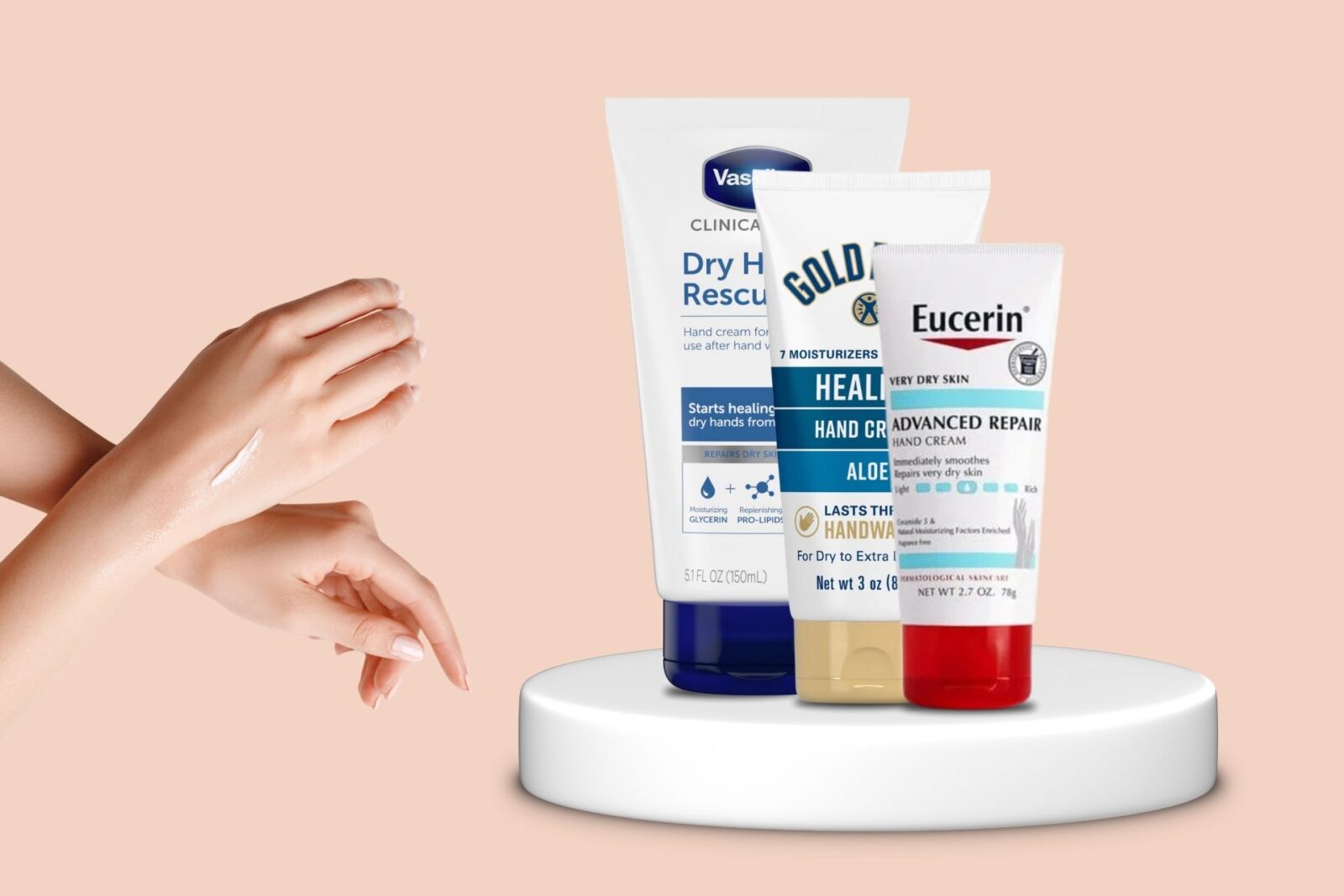
Moisturizers are crucial when using glycolic acid. They keep your skin hydrated and prevent dryness or irritation. Here are key points to consider:
- Hydrating Ingredients: Look for moisturizers with ingredients like hyaluronic acid, glycerin, or aloe vera. These ingredients help lock in moisture and soothe the skin.
- Texture: Choose a moisturizer that suits your skin type. Lightweight gels are great for oily skin, while rich creams can benefit dry skin.
- Fragrance-Free: Opt for fragrance-free products to avoid irritation. Fragrances can sometimes react with glycolic acid, causing discomfort.
Below is a table highlighting popular moisturizers compatible with glycolic acid:
| Moisturizer | Key Ingredient | Skin Type |
| CeraVe Moisturizing Cream | Ceramides | Dry |
| Neutrogena Hydro Boost | Hyaluronic Acid | Oily |
| La Roche-Posay Toleriane | Niacinamide | Sensitive |
Sunscreen
Sunscreen is vital when using glycolic acid. It protects your skin from harmful UV rays, especially since glycolic acid can increase sensitivity. Consider these tips:
- SPF Level: Use sunscreen with at least SPF 30. This provides adequate protection against UVB rays.
- Broad Spectrum: Ensure your sunscreen offers broad-spectrum protection. It should guard against both UVA and UVB rays.
- Non-Comedogenic: Opt for non-comedogenic sunscreens. These won’t clog pores, which is essential if you’re using glycolic acid.
Popular sunscreens suitable for use with glycolic acid include:
- EltaMD UV Clear
- Neutrogena Ultra Sheer
- La Roche-Posay Anthelios
Other Acids
Combining glycolic acid with other acids can enhance your skincare routine. Each acid offers unique benefits. Here’s what to consider:
- Salicylic Acid: Helps with acne and blackheads. Use it in a separate routine from glycolic acid to avoid over-exfoliation.
- Lactic Acid: A gentle exfoliator suitable for sensitive skin. It can be used alongside glycolic acid for added hydration.
- Ascorbic Acid (Vitamin C): Brightens the skin and improves texture. Use it in the morning and glycolic acid at night.
When incorporating other acids, it’s important to:
- Start with lower concentrations.
- Monitor your skin’s reaction.
- Adjust usage frequency as needed.
Expert Recommendations
The Ordinary Glycolic Acid is a popular skincare product. Many wonder if it can be used every day. Expert recommendations provide valuable insights. Understanding how this product interacts with your skin is essential. Let’s explore what dermatologists and users have to say.
Dermatologist Advice
Dermatologists often caution against daily use of glycolic acid, especially for beginners. Glycolic acid is an alpha-hydroxy acid (AHA) that exfoliates the skin. This process can be beneficial, but also harsh if overused.
Reasons for caution:
- Over-exfoliation can lead to irritation and redness.
- Daily use might disrupt the skin’s natural barrier.
- Skin sensitivity varies; some can tolerate more frequent use.
Recommended usage: Skin TypeSuggested FrequencyNormal2-3 times per weekOily3-4 times per weekday/SensitiveOnce per week
Important tips:
- Patch test before use.
- Follow with a moisturizer.
- Use sunscreen during the day.
User Testimonials
Users have varied experiences with The Ordinary Glycolic Acid. Some find it effective for regular use. Others prefer less frequent applications.
User experiences:
- Many report smoother skin after using 2-3 times a week.
- Some users experience dryness with daily use.
- Redness and irritation are noted by sensitive skin users.
Common feedback:
- Improvement in skin texture.
- Reduction in acne scars.
- Increased brightness of the skin.
Users emphasize the importance of listening to your skin. Adjust the frequency based on personal needs. Pairing glycolic acid with hydrating products is often recommended.
Conclusion
Using The Ordinary Glycolic Acid daily can be risky for your skin. Overuse may lead to irritation or dryness. It’s vital to listen to your skin’s needs. Start with two or three times a week. Gradually increase if your skin tolerates it well.
Always apply sunscreen during the day. Protects your skin from sun damage. Consider your skin type and sensitivity. Consult a dermatologist for personalized advice. Their guidance can help prevent potential issues. Remember, skin care is about finding balance. Gentle care leads to healthier skin over time.









Leave a comment